How Long Does a Nose Job Take to Heal?
A common question patients ask while considering rhinoplasty surgery in Delhi is simple but important: How long will it take to heal? It’s a fair concern. A nose job affects the centre of the face, and patients want to know when swelling will settle, when they will look “normal,” and when final results will truly be visible. The answer is: rhinoplasty healing happens in stages, not overnight. While most people return to daily life relatively quickly, complete healing takes time, patience, and proper aftercare.
This guide explains the rhinoplasty recovery timeline in detail so you know exactly what to expect at each stage.
What Healing After Rhinoplasty Really Means?
Healing after a nose job is often misunderstood. Many patients assume that once the stitches are out or the splint is removed, healing is complete. In reality, recovery after rhinoplasty surgery in Delhi happens on multiple levels and over different timelines. Understanding this process early helps patients stay patient, calm, and realistic about their results.
Healing after rhinoplasty involves several internal changes:
- Reduction of swelling, which happens gradually and unevenly across different parts of the nose
- Softening of nasal tissues, especially around the tip, which can remain firm for months
- Stabilisation of bone and cartilage, which need time to settle into their new position
- Skin adapting to the new nasal framework, a slow process influenced by skin thickness
While external healing may look quick, internal healing continues quietly in the background for many months. Recognising this difference prevents unnecessary anxiety and helps patients judge progress more accurately.

Have questions or want to get started? We are ready to help you with a smile!
The First Week After Rhinoplasty: Initial Recovery
The first week after rhinoplasty surgery in Delhi is when the body reacts most visibly to surgery. This phase can feel overwhelming, especially for first-time patients, but most changes during this period are temporary and expected.
Swelling and Bruising
- Swelling around the nose and eyes is normal and often most noticeable in the first few days
- Bruising may extend to the lower eyelids or upper cheeks, depending on the surgical work done
- Nasal congestion is common due to internal swelling
These effects usually peak within the first 2–3 days and then begin to improve steadily. Although the face may look puffy or uneven initially, this does not reflect the final outcome.
Splints and Dressings
- A nasal splint is placed externally to protect and support the new nasal structure
- Internal packing, if used, is temporary and removed early
- The splint is usually removed within 5–7 days
Most patients experience noticeable relief once the splint comes off, both physically and emotionally, as breathing improves and swelling starts to reduce.
Weeks Two to Four: Visible Improvement Begins
This phase marks a turning point in recovery. While healing is still ongoing, patients usually start feeling more confident about their appearance and comfort.
During weeks two to four:
- Bruising typically resolves completely
- Major swelling reduces significantly
- Nasal breathing becomes easier as internal swelling decreases
- The nose appears more refined, though mild swelling is still present
Many patients return to work, social activities, and light routines during this time. Although the nose may still feel slightly firm or look subtly swollen, these changes are part of normal healing.
One to Three Months: Subtle Healing Continues
This stage is often the most misunderstood part of recovery. The nose may look “healed” to others, but internally, important changes are still happening.
During this phase:
- Swelling continues to reduce slowly, especially at the nasal tip
- Tip firmness begins to soften as tissues adapt
- Minor asymmetries often improve naturally without intervention
Patients sometimes worry during this stage, assuming what they see is the final result. In reality, the nose is still settling, and judging results too early can lead to unnecessary concern.
Six Months to One Year: Final Refinement
Complete healing after rhinoplasty surgery in Delhi takes up to a year and sometimes longer in patients with thicker skin or more complex surgery.
By this stage:
- The nasal tip settles fully into its final position
- Skin conforms smoothly to the underlying structure
- The final shape and definition become clear
Patience during this phase is essential. Most refinements happen gradually and quietly, and the best results are often appreciated only with time.
Factors That Affect Rhinoplasty Healing Time
Rhinoplasty recovery does not follow a fixed calendar. Two patients undergoing rhinoplasty surgery in Delhi can have very different healing timelines, even if the procedure appears similar on paper. This variation is normal and depends on several anatomical, surgical, and care-related factors. Understanding these variables helps patients avoid unnecessary comparison and unrealistic expectations during recovery.
Skin Thickness
- Skin thickness plays a major role in how quickly swelling settles after rhinoplasty.
- Thicker skin, especially around the nasal tip, holds swelling for a longer period and takes more time to adapt to the new framework.
- Patients with thinner skin often see definition earlier, while thicker skin requires more patience for final refinement.
Extent of Surgery
- Minor reshaping procedures usually heal faster because there is less internal disruption.
- More complex surgeries involving significant reshaping, correction of deviation, or revision work naturally take longer to settle.
- The greater the structural change, the longer the healing process.
Bone vs Cartilage Work
- Procedures involving bone cuts or repositioning require additional time for stabilisation.
- Cartilage-only adjustments generally heal faster and involve less prolonged swelling.
- This is why recovery timelines are discussed in detail before rhinoplasty surgery in Delhi.
Post-Operative Care
- Proper aftercare directly influences healing quality and comfort.
- Following instructions related to rest, medication, nasal protection, and follow-up visits reduces swelling and prevents complications.
- Ignoring aftercare guidelines often prolongs recovery unnecessarily.
Surgeon Technique
- Surgical technique significantly affects trauma to tissues.
- An experienced cosmetic surgeon in Delhi uses precise, controlled methods that minimise swelling, bruising, and internal disruption.
- Gentle handling of tissues leads to smoother recovery and more predictable results.
Healing after rhinoplasty is a gradual process shaped by multiple factors working together. When surgery is planned thoughtfully, performed carefully, and supported by proper aftercare, most patients experience steady, uneventful recovery and long-term satisfaction with their results.
Do’s and Don’ts During Rhinoplasty Recovery
Recovery after rhinoplasty surgery in Delhi requires patience and simple daily precautions. Small habits during the healing phase can significantly influence comfort, swelling, and the final shape of the nose. Understanding what to do and what to avoid helps patients heal smoothly and confidently.
Do During Rhinoplasty Recovery
- Keep your head elevated while sleeping
Sleeping with the head elevated reduces swelling and helps fluid drain naturally. Using extra pillows during the first few weeks can make a noticeable difference. - Use prescribed medications correctly
Medications help manage pain, reduce inflammation, and prevent infection. Taking them exactly as advised supports comfortable healing. - Attend all follow-up appointments
Follow-ups allow your surgeon to monitor healing, address concerns early, and guide activity progression safely after rhinoplasty surgery in Delhi. - Protect your nose from accidental impact
The nose remains vulnerable during early healing. Being mindful in crowded spaces, around children, or during sleep helps prevent injury.
Don’ts During Rhinoplasty Recovery
- Do not blow your nose in early recovery
Blowing the nose can disrupt internal healing and increase swelling or bleeding. Gentle cleaning methods are advised instead. - Avoid wearing heavy glasses without guidance
Glasses can place pressure on healing nasal bones. Your surgeon will advise when and how glasses can be worn safely. - Do not resume strenuous exercise too soon
Heavy workouts raise blood pressure and swelling, which can slow healing and affect results. - Avoid comparing early swelling with final results
Early swelling fluctuates and does not reflect the final shape. Comparisons during early recovery often lead to unnecessary worry.
Following these do’s and don’ts consistently supports smoother healing and more predictable outcomes after rhinoplasty.
When Can You Resume Normal Activities After Rhinoplasty?
One of the most common concerns after rhinoplasty surgery in Delhi is when normal routines can resume. While recovery timelines vary, general guidance helps patients plan realistically.
- Returning to work:
Most patients with desk-based jobs return within 7–10 days, once swelling and bruising are manageable. - Light exercise:
Gentle activities such as walking can usually resume after 2–3 weeks, promoting circulation without strain. - Intense workouts:
High-impact exercise, weight training, and contact sports are typically avoided for at least six weeks or longer, depending on healing. - Wearing glasses:
Glasses may be worn based on individual healing and surgeon advice, often with temporary supports if needed.
These timelines serve as general guidelines. Individual healing, surgical complexity, and surgeon recommendations ultimately determine when activities can be resumed safely. Respecting these timelines helps protect results and ensures long-term satisfaction.
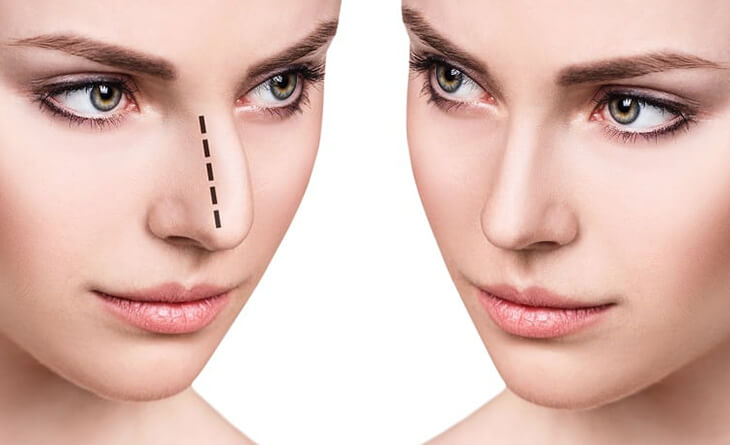
Does the Cost of Surgery Affect Healing?
The nose surgery cost in Delhi reflects factors such as surgeon expertise, facility standards, and post-operative care. While cost does not guarantee faster healing, proper surgical planning and structured follow-up play a major role in smooth recovery.
Common Concerns During Healing (That Are Usually Normal)
During recovery after rhinoplasty surgery in Delhi, it is common for patients to notice changes that feel unfamiliar or worrying at first. Many of these concerns are a normal part of the healing process and do not indicate any complication. Understanding what is expected helps reduce anxiety and prevents unnecessary alarm.
- Tip stiffness
The nasal tip often feels firm or tight for several weeks to months after surgery. This stiffness is caused by internal swelling and tissue healing and gradually softens as recovery progresses. - Uneven swelling
Swelling rarely resolves evenly on both sides of the nose. One side may appear more swollen than the other on certain days, especially in the early months. This asymmetry usually balances out naturally over time. - Temporary numbness
Mild numbness around the nose or upper lip can occur due to temporary nerve disturbance during surgery. Sensation typically returns gradually as nerves recover. - Mild asymmetry
Small asymmetries are common during healing and often resolve as swelling reduces and tissues settle. Early asymmetry does not reflect the final result.
In most cases, these changes improve steadily and are considered a normal part of recovery rather than a cause for concern.
When to Contact Your Surgeon
While most healing-related changes are expected, certain symptoms require prompt medical attention. Knowing when to reach out ensures safety and timely care after rhinoplasty surgery in Delhi.
You should contact your surgeon if you experience:
- Increasing or severe pain that does not improve with medication
- Fever, which may indicate infection
- Sudden or rapidly increasing swelling, especially if it is one-sided
- Bleeding that does not stop despite applying gentle pressure
Early evaluation allows potential issues to be addressed quickly, often preventing more serious complications and ensuring a smooth recovery.
Why Follow-Up Appointments Matter?
Follow-up appointments are a critical part of responsible care after rhinoplasty. Healing continues long after visible swelling subsides, and regular reviews help ensure recovery is progressing as expected.
Follow-up visits allow your surgeon to:
- Monitor healing patterns and swelling reduction
- Address concerns early, before they become bigger issues
- Guide safe progression of activities, including exercise and daily routines
- Reassure patients about normal healing changes, which reduces stress and uncertainty
Patients who attend follow-ups consistently tend to feel more confident, informed, and reassured throughout recovery. Regular monitoring supports both physical healing and peace of mind, leading to better long-term satisfaction with rhinoplasty results.
If you are planning rhinoplasty or are currently healing and unsure about what is normal, a personalised consultation can provide clarity and reassurance. Dr Rajat Gupta provides innovative surgical techniques, structured aftercare, and realistic recovery guidance tailored to each patient.
FAQs About Rhinoplasty Recovery and Healing
Most patients look socially presentable within 2–3 weeks, though subtle swelling may persist.
Final results usually appear between 6–12 months, especially at the nasal tip.
Discomfort is usually mild to moderate and improves steadily with medication.
Tip stiffness is normal and softens gradually as healing progresses.
Yes. Swelling can fluctuate for several months, especially in the evenings.
Yes. Thicker skin takes longer to settle, but still achieves good results with patience.
Regular follow-ups are advised during the first year to monitor healing and results.

Dr. Rajat Gupta
MBBS, MS, DNB(Gen. Surg.),
DNB (Plastic Surgery)
Dr. Rajat Gupta is a board certified plastic surgeon in India with 18+ years of experience to back his expertise in the domain of aesthetic surgeries.
Having completed his training from Maulana Azad Medical College and equipped with a thorough understanding of aesthetic needs of people, Dr. Gupta strives to offer the best remedies and cosmetic procedures outfitted with the latest technology to the aspirants in India and across the globe. To book an appointment, call: +91-9251711711 or email: [email protected]
Share this post

Related Posts

Is Nose Rhinoplasty Safe?
Are you considering a little nip and tuck for your nose but... read more

What Are Rhinoplasty Grafts and Why Are They Important?
When planning for rhinoplasty surgery, one term you might often hear from... read more
Can Rhinoplasty Correct a Nasal Hump and Crooked Bridge?
Yes, a rhinoplasty procedure can correct both - a nasal hump and... read more

How to Prepare for Rhinoplasty?
Rhinoplasty is a surgical procedure that alters or corrects the contour of... read more

Complete Guide to Rhinoplasty Surgery Procedure
The nose's appearance is among the most prominent cosmetic issues for men... read more
Factors to Consider Before Choosing a Rhinoplasty Surgeon in Delhi
When it comes to a transformative procedure, like rhinoplasty, also known as... read more
What Causes a Droopy Nose?
A droopy nose, or a downward-pointing nasal tip, can result from a... read more

How Long Does Rhinoplasty Surgery Take?
Rhinoplasty, commonly known as nose reshaping surgery, is a popular cosmetic surgery... read more
Nose Job or Rhinoplasty Made Easier to Understand!
When you look at yourself in the mirror, one of the first... read more

Complete Guide to Rhinoplasty/Nose Job
Many people struggle with feelings of self-consciousness and insecurity regarding the appearance... read more