A more sculpted face. Performed through the mouth, with no visible scar.
Using the SHAPE technique, published in the Journal of Cutaneous and Aesthetic Surgery.
Buccal fat removal -also called cheek reduction or buccal lipectomy -is a short cosmetic procedure that removes part of the deep fat pad in the lower cheek. The result is a slimmer, more contoured mid-face, with more defined cheekbones and a sharper jawline. It takes about 30 to 45 minutes, is performed through a small incision inside the mouth, and leaves no visible scar.
Despite the simplicity of the operation, who should have it is a more careful question than the marketing usually suggests. The buccal fat pad shrinks naturally with age, so removing it too aggressively or too early can leave the face looking gaunt by your 40s. The aim is a measured reduction in the right patient -not the most reduction in any patient who asks.
This page covers the procedure, who is genuinely a candidate, the published SHAPE technique used here, recovery, and cost.
- The published SHAPE technique
- Intraoral approach, no facial scar
- ISAPS-accredited training centre
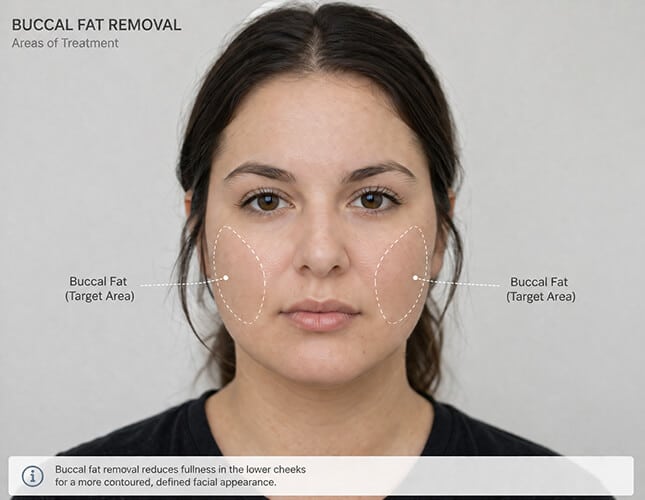
Procedure at a glance
Download A Patient Guidebook Of Buccal Pad Fat Removal?
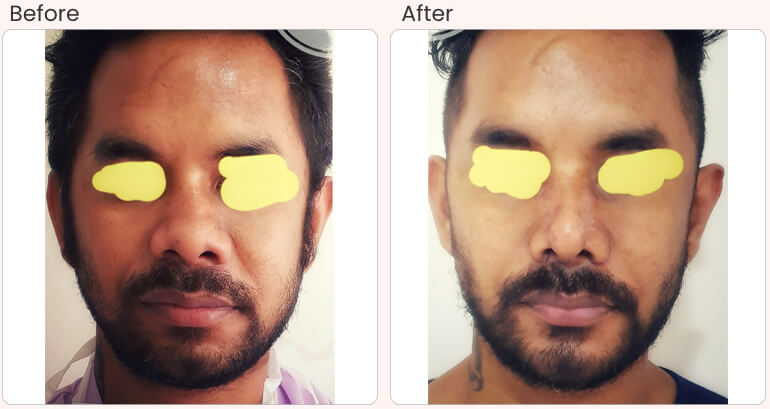
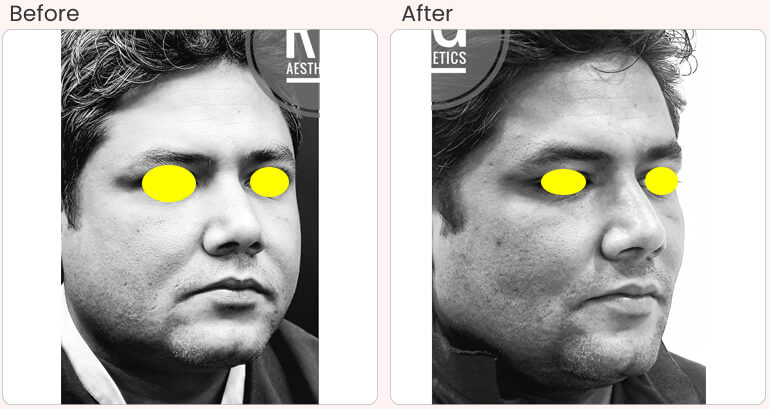
Buccal Pad Fat Removal Best Results / Before & After
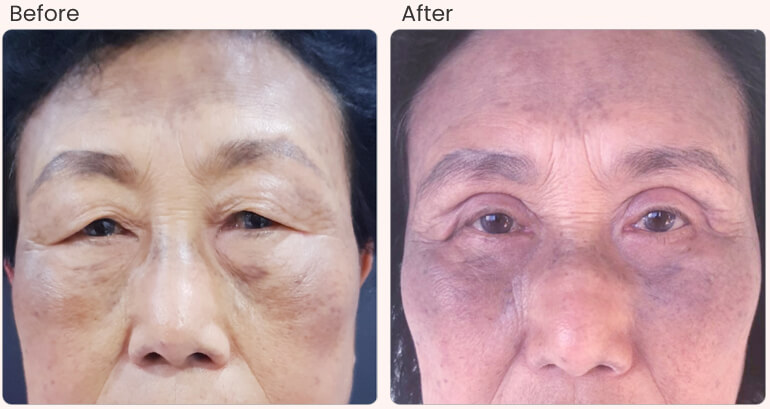
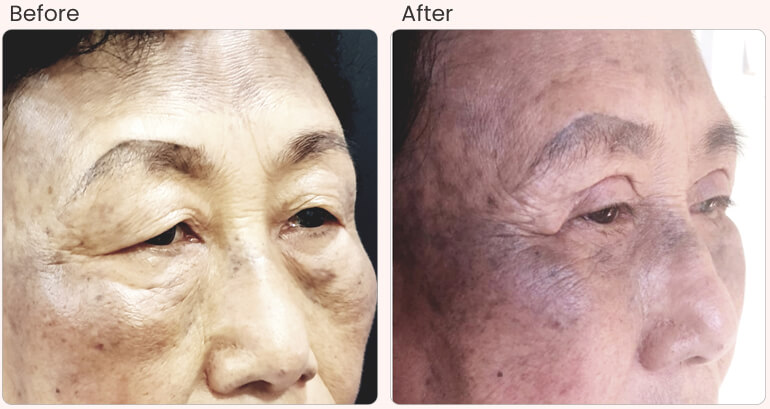
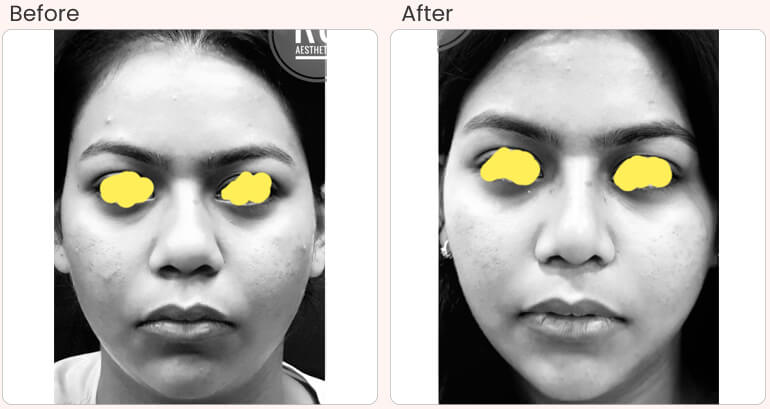
This 25 year old college student wanted to get a sleeker and slimmer face. She wanted the shape of her face to change from O to V
Age: 25 year
Weight: 69
Height: 5'5"
We did her buccal fat removal


A NOTE ON PHILOSOPHY
A Note on What Buccal Fat Removal Is, and What It Is Not
Buccal fat removal has had a complicated moment globally. A wave of public regret has built among patients who had aggressive reductions in their 20s and now, in their 30s and 40s, look hollow and prematurely aged. None of those stories are evidence against the procedure -they are evidence against doing too much, too early, or to the wrong patient.
The buccal fat pad is a real structure that, in some people, makes the face look rounder than they would prefer. In those patients, removing a portion produces a refined mid-face that ages well. In others, the fullness comes from something else -skin laxity, surface fat, weight, or a face that has not yet matured -and removing buccal fat does not address it. An honest surgeon will tell you which group you are in, even when it is not the answer you hoped for.
This is why technique matters. The SHAPE technique, published by Dr Gupta and his colleagues, is a measured, anatomically-informed method that aims for a refined and lasting result rather than a dramatic immediate one.
WHO IS A CANDIDATE
Who is a Candidate for Buccal Fat Removal?
Buccal fat removal is appropriate for adults in good general health, with a face that is genuinely rounded by an enlarged buccal fat pad (not by other causes), a stable weight, and realistic expectations about how subtle the result should be.
Good Candidates
Not a Candidate
The Right Answer for Your Specific Situation
| If You Have… | The Right Answer Is… | Why |
|---|---|---|
| Deep cheek fullness from the buccal fat pad, good proportions otherwise | Buccal fat removal (SHAPE technique) | The pad is the actual cause; removing it directly addresses the fullness. |
| Superficial cheek fat in front of the muscle, often with a double chin | Facial liposuction or non-surgical fat reduction | Buccal fat is a deep pad. Surface fat needs a different procedure. |
| A round face that runs in the family, but you are under 20 | Wait and reassess in your mid-20s | Faces slim with age; removing fat too early can look gaunt later. |
| A round face with sagging skin and signs of ageing | Skin tightening, fat repositioning, or facelift | Buccal fat loss is part of ageing; removing more can age you further. |
| A round face from weight gain | Stable weight loss first, then reassess | Weight loss may resolve it; surgery is a refinement, not a substitute. |
Half the consultations for this procedure end in a different recommendation, or no recommendation at all. That is part of the work, not a failure of it.
THE SHAPE TECHNIQUE
The SHAPE Technique, Published in the Journal of Cutaneous and Aesthetic Surgery
Most clinics offering buccal pad fat removal surgery describe their procedure in generic terms. Very few have published their technique in a peer-reviewed medical journal. This one has.
What SHAPE Stands For?
The SHAPE technique is a structured, anatomically-informed approach to buccal fat reduction, developed by Dr Gupta and his co-authors and published in the Journal of Cutaneous and Aesthetic Surgery in 2025, in a case series of 62 patients. Four principles distinguish it from a generic reduction:
- A measured, precise extraction that prioritises long-term contour over immediate dramatic reduction.
- Careful anatomical planning around the parotid duct and facial nerve branches, which run close to the surgical field.
- A small intraoral incision that leaves no visible facial scar.
- Patient selection rooted in a realistic prediction of how the face will age, not just how it looks today.
Why This Matters?
Patients researching this procedure today inherit a more cautious conversation than five years ago, shaped by regret stories and revision work on people who lost too much fat too early. The right surgeon is no longer the one quoting the lowest price; it is the one with a documented, careful approach and the willingness to say no. The SHAPE technique is exactly that documentation -a peer-reviewed method with outcomes reported in 62 real patients, and the strongest answer to “how do I know this surgeon will not take too much?”
Don't take biggest decision of life
Without getting complete information!
What the Procedure Involves
This is a general overview; the specifics of your procedure are documented in the written surgical plan after consultation.
Usually local anaesthesia with light sedation -comfortable, with quick recovery. General anaesthesia is used when combined with other facial procedures.
About 15 to 20 minutes standalone; longer if combined with other procedures like chin augmentation or facial fat grafting.
A small incision inside the mouth, between the upper molars and the cheek lining. No external incision, so no visible facial scar.
The SHAPE technique, with careful planning to protect the parotid duct and facial nerve branches. A measured portion of the pad is removed, aiming for refined long-term contour rather than maximum immediate reduction.
Absorbable sutures that do not need removing; same-day discharge from an accredited facility with full monitoring.
Recovery: A Realistic Timeline
Recovery is generally quick, but the final result takes longer to emerge than patients often expect. This timeline is typical rather than universal.
Mild to moderate cheek swelling, tightness, and tenderness. A soft diet with mouth rinses keeps the incision clean; discomfort is managed with medication most patients return to desk work the day after the procedure.
Most visible swelling settles.
Remaining swelling resolves. The new contour begins to emerge, though the final result is not yet visible.
The final shape becomes apparent as tissues settle and residual swelling resolves.
The contour matures, designed to age gracefully with the face rather than become more prominent over time.
Structured follow-up includes reviews at week 1, week 4, and month 3, with remote follow-up where in-person review is impractical.
RISKS
Risks: An Honest Disclosure
These risks are listed because patients deserve to know them before consenting, not because they are common. In a well-selected patient, operated on by a properly trained surgeon in an accredited facility with a measured technique, significant complications are rare.
- General surgical risks: bleeding, infection, anaesthetic reaction, and delayed healing of the intraoral incision.
- Anatomical considerations: the parotid duct and small facial-nerve branches run close to the field. Injury is rare, and is why this procedure should only be performed by a surgeon with detailed knowledge of facial anatomy.
- Asymmetry: uncommon with a measured technique, though small differences in fat-pad anatomy can produce subtle asymmetry.
- Over-resection: the most discussed long-term risk. Removing too much can leave cheeks hollow in later years as the face loses volume -exactly what a measured technique and careful selection are designed to avoid.
A full written list of risks, specific to your procedure and health profile, forms part of your consent process before surgery.
Transparent Pricing
What Buccal Fat Removal Costs?
Cost varies with the complexity of the case, whether it is performed alone or combined with other procedures, and the surgeon’s qualifications. The ranges below are indicative; your specific cost is detailed in a written estimate after consultation.
A note on price, made plainly: buccal fat removal is among the most price-advertised facial procedures, with figures quoted as low as INR 30,000 to 40,000. A very low price often reflects a non-board-certified operator, a non-accredited setting, or the absence of the careful selection and anatomical attention this procedure requires. Because the parotid duct and facial nerve sit within the surgical field, this is not a procedure to choose by price alone.
Where your case falls depends on complexity and any asymmetry correction, whether it is combined with other contouring, the type of anaesthesia, and the follow-up programme. The fee includes the surgeon’s and anaesthetist’s fees, theatre charges, standard pre-operative investigations, and reviews at week 1, week 4, and month 3.
WHY THIS PRACTICE
Why Patients Choose This Practice for Buccal Fat Removal?
- The SHAPE technique -a named, peer-reviewed approach by Dr Gupta and co-authors (JCAS, 2025), with documented outcomes in 62 patients. Few board-certified buccal fat surgeons can point to their own published evidence.
- A measured philosophy: enough reduction for a refined long-term result, not the most for an immediate before-and-after.
- Honest candidacy assessment, including a willingness to advise against surgery when fullness is not from the buccal pad, or when it may be regretted later.
- A board-certified plastic surgeon and an ISAPS-accredited training centre, with an intraoral approach that leaves no facial scar.
- A written surgical plan -technique, expected outcome, risks, recovery, and cost -before anything is scheduled.
Common Questions
Frequently Asked Questions About Buccal Fat Removal
Typically INR 60,000 to 1,50,000 (approx. USD 635 to 1,580) standalone; combined procedures cost more. Very low advertised prices often reflect non-board-certified operators or non-accredited settings. A written estimate specific to your case follows consultation.
A peer-reviewed buccal fat reduction method by Dr Rajat Gupta and co-authors, published in the Journal of Cutaneous and Aesthetic Surgery in 2025 in a 62-patient series. It emphasises measured removal, careful planning around the parotid duct and facial nerve, and selection based on how the face will age.
No. It is performed through a small incision inside the mouth, so there is no external incision and no facial scar. The intraoral incision heals with absorbable sutures that do not need removing.
Yes, if too much is removed or it is done on the wrong patient. The pad shrinks naturally with age, so aggressive removal in your 20s can leave you gaunt by your 40s -which is why measured technique and careful selection matter, and why this practice declines patients for whom it would likely age the face.
No. Once removed, the pad does not grow back; the result is permanent for the fat taken. The remaining fat continues to age naturally, which is another reason a measured removal is the safer long-term choice.
Most appropriate candidates are between their mid-20s and late-30s, when the face has finished maturing but has not begun later-life volume loss. Early-20s removal carries a higher risk of hollow cheeks later; after 40, careful assessment is needed.
Only mild discomfort, well managed with medication. Most patients describe tightness and pressure for the first few days rather than pain, usually under local anaesthesia with light sedation.
Patients can resume desk work the day after surgery, with most visible swelling settling within two weeks and the final contour emerges over 2 to 3 months.
No. It does not affect the muscles or nerves that control expression, which sit in a separate plane to the fat pad. Some temporary stiffness or numbness is normal early on and resolves.
Yes -frequently with chin augmentation, facial fat grafting, or rhinoplasty for a more balanced lower face or profile in a single recovery. This is discussed at consultation based on your goals.
THE FIRST CONSULTATION
What to Expect at Your First Consultation?
A consultation with Dr Gupta takes 20 to 30 minutes and includes a discussion of what you would like to change; a clinical examination to determine whether your fullness is from the buccal pad, surface fat, skin laxity, weight, or a combination; an honest assessment of whether the procedure is right for you, or whether another approach -or none -would serve you better; a discussion of the SHAPE technique and the expected degree of reduction; a realistic projection of how your face will age alongside it; a review of recovery, risks, and follow-up; and a written cost estimate. You will not be asked to decide in the room.
Book a Consultation to Understand Your Facial Anatomy
A consultation with Dr Gupta is the beginning of a conversation, not a transaction.