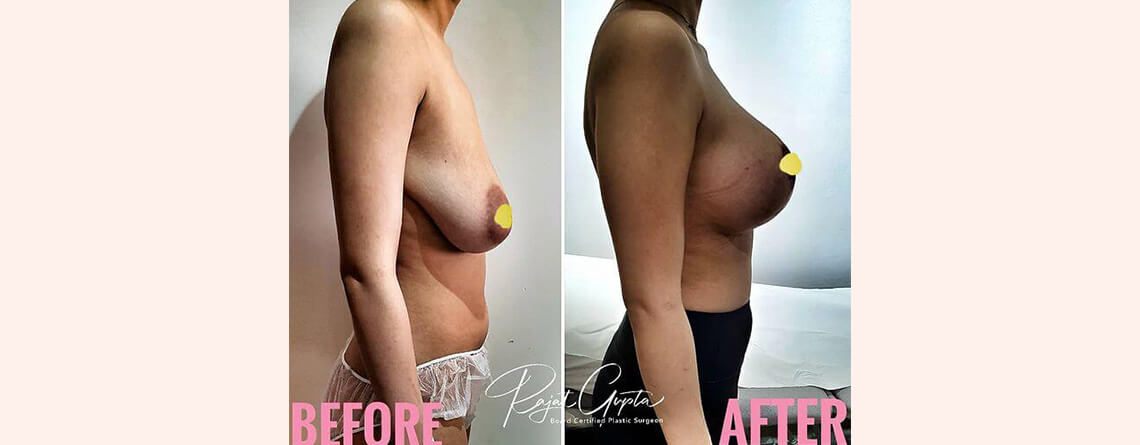
What You Need to Know About Breast Lift Scars?
One of the most common concerns women have when considering a breast lift is not the surgery itself, but the scars that come after. While a breast lift can restore shape, firmness, and position, it does involve incisions, and scars are a natural part of the healing process.
If you are researching breast lift in Delhi, it’s important to understand what breast lift scars look like, why they form, how they heal, and what can realistically be done to minimise their appearance over time. Honest information helps set realistic expectations and reduces unnecessary fear.
This guide explains breast lift scars in detail, without exaggeration or reassurance that feels vague or dismissive.
Why Do Breast Lift Scars Occur?
A breast lift, or mastopexy, works by removing excess skin and reshaping breast tissue to raise the breast to a more youthful position. To achieve this, incisions are necessary. Wherever the skin is cut and stitched, the body forms a scar as part of its natural healing response.
Scars are not a complication. They are evidence of healing. The goal of good surgical planning is not to eliminate scars completely, which is impossible, but to place them carefully, keep them minimal, and help them fade well over time.
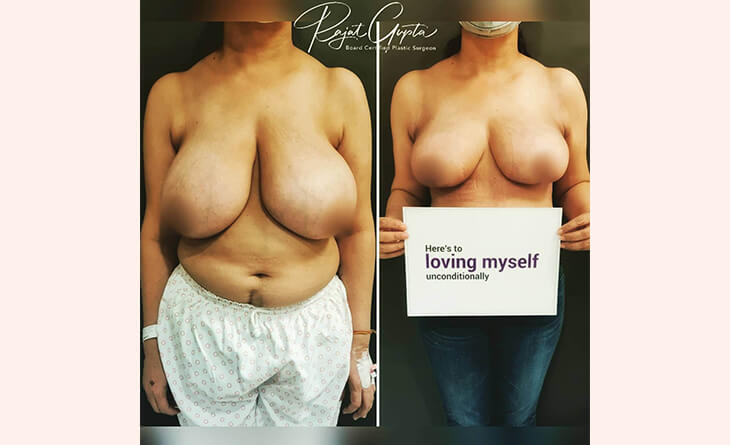
Have questions or want to get started? We are ready to help you with a smile!
Types of Breast Lift Scars and What They Mean
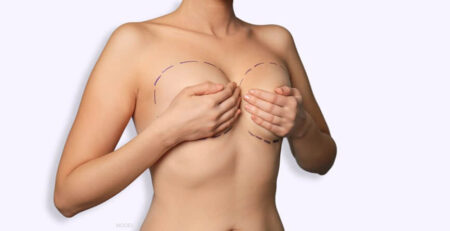
The type and extent of scarring after breast lift in Delhi depend on how much lifting and reshaping is required. Different breast shapes and degrees of sagging require different incision patterns.
Periareolar Scar
This scar runs around the border of the areola.
- Usually chosen for mild sagging
- Often blends well with the natural colour change of the areola
- Tends to be less noticeable once healed
This approach is limited in how much lift it can achieve and is not suitable for everyone.
Vertical (Lollipop) Scar
This includes:
- A scar around the areola
- A vertical scar from the areola to the breast crease
This is one of the most commonly used techniques because it allows significant lifting while keeping scars relatively contained. Over time, the vertical scar usually fades well and becomes less noticeable.
Anchor (Inverted-T) Scar
This includes:
- Around the areola
- Vertically down to the crease
- Along the breast crease
This approach is used when there is significant sagging or excess skin. While the scar pattern is more extensive, it allows the most effective reshaping and long-lasting results.
The choice of technique is always based on anatomy and outcome goals, not on avoiding scars at the cost of poor results.
What Breast Lift Scars Look Like Initially?
In the early weeks after surgery, scars often appear:
- Red or pink
- Slightly raised
- Firm to touch
This stage can be unsettling, especially for patients who expected scars to look “settled” quickly. It is important to understand that early scar appearance does not predict final scar quality.
Are Perky Breast Implants Right for You?
Not every woman seeking lifted breasts needs implants, but for those who desire more volume along with shape correction, perky breast implants can be a game changer. Modern implants come in a variety of shapes, sizes, and textures to match your body proportions and desired look, whether that’s subtle enhancement or a fuller silhouette.
Implants placed with precision by an experienced plastic surgeon in Delhi can recreate the upper pole fullness often associated with youthful, perky breasts. The result? Breasts that sit higher on the chest wall feel natural and restore the body’s symmetry.
What’s important to note is that these implants are safer than ever, with improved technology and longer durability. A consultation helps determine the best type, saline or silicone, and the appropriate placement technique for lasting results, providing a sense of security and confidence in the process.
The Healing Timeline of Breast Lift Scars
First 4–6 Weeks
- Scars are fresh and more visible
- Mild swelling and firmness are common
- Itching or tightness may occur
This phase is about wound healing, not scar aesthetics.
3–6 Months
- Redness gradually fades
- Scars flatten and soften
- Texture begins to improve
This is when most patients start feeling reassured about how scars are evolving.
6–12 Months (and Beyond)
- Scars continue to fade
- Colour blends closer to surrounding skin
- Visibility reduces significantly
For many women, scars become discreet enough that they are barely noticeable in daily life.
Factors That Affect How Breast Lift Scars Heal
Not all scars heal the same way. Several factors influence scar appearance after a breast lift procedure in Delhi.
Individual Skin Type
Some skin types are more prone to thicker or darker scars. Genetics play a role in how the body heals.
Surgical Technique
Precise incision placement, minimal tension on the skin, and careful stitching significantly influence scar quality. This is where surgeon experience matters more than marketing claims about scar-free surgery.
Post-Operative Care
Scar care instructions are not optional. Proper care can make a visible difference over time.
Lifestyle Factors
Smoking, poor nutrition, and sun exposure can all worsen scar healing.
Can Breast Lift Scars Be Reduced?
Scars cannot be erased, but they can be improved.
Scar Care Measures Commonly Recommended
- Silicone gels or sheets
- Gentle massage after healing
- Sun protection
- Prescription creams when needed
Consistency matters more than product variety.
Do Breast Lift Scars Affect Results or Confidence?
For most women, the improvement in breast shape, firmness, and comfort far outweighs concerns about scars. With time, scars fade, but the lift results remain visible daily.
Patients often report that once healing progresses, scars stop being the focus of attention altogether.
Cost, Technique, and Scar Planning
The Breast Lift Surgery Cost in Delhi can vary depending on the complexity of surgery and technique used. More extensive lifts may involve longer scars, but they also deliver more reliable reshaping.
Choosing surgery based only on minimising scars rather than achieving proper lift often leads to dissatisfaction later. This is why outcome-based planning is prioritised by surgeons recognised for Best Plastic Surgery India standards.
Why Realistic Expectations Matter?
Scars are a natural part of healing, but they shouldn’t be a source of fear. Knowing what to expect before surgery often makes the recovery journey far more comfortable and predictable. A consultation allows you to understand how your scars are likely to look and mature over time, based on your body and the surgical plan.
Dr Rajat Gupta, offering the best plastic surgery techniques in India, prioritises careful incision placement and long-term aesthetic harmony rather than short-term promises.
FAQs About Breast Lift Scars
Breast lift scars are permanent in the sense that the skin has been cut and healed, but they do not remain prominent forever. In most patients, scars fade significantly over time, becoming flatter, lighter, and less noticeable. How a scar ultimately looks depends on skin type, genetics, surgical technique, and post-operative care. While scars do not disappear completely, many women find they blend well enough to stop being a daily concern.
Yes. Any procedure that involves lifting and reshaping the breast requires incisions, and incisions result in scars. The goal of a well-planned breast lift is not to eliminate scars, which is unrealistic, but to place them in less visible areas and help them heal in a controlled, predictable way. Choosing a technique based on anatomy rather than scar avoidance leads to better long-term results.
In some individuals, scars may appear thicker, firmer, or slightly raised during the early healing phase. This does not necessarily indicate a problem. Scar tissue often matures over several months, becoming softer and flatter with time. Regular follow-up and appropriate scar care allow early intervention if a scar shows signs of becoming hypertrophic or uncomfortable.
Scar healing is a slow process. While initial healing occurs within weeks, visible improvement continues for 12 to 18 months. During this period, scars usually change from red or pink to a lighter shade closer to the surrounding skin. Patience is essential, as judging scars too early often leads to unnecessary worry.
Medical-grade scar treatments, such as silicone gels or sheets, can improve scar texture and colour when used correctly and consistently. These treatments do not erase scars, but they support healthier scar maturation. The effectiveness varies from person to person, and results depend more on regular use than on switching products frequently.
When a breast lift surgery is combined with implants, the scar pattern may differ slightly depending on how much lifting and reshaping is required. However, implant placement itself does not worsen scar quality. Surgical planning focuses on balancing breast shape, implant position, and scar placement to achieve the best overall outcome.
Breast lift scars do not affect breast health, routine screening, or cancer detection when surgery is performed properly. In most cases, breastfeeding ability is preserved. These factors are discussed during consultation so patients understand how breast lift surgery cost in Delhi, technique, and planning align with long-term breast health.

Dr. Rajat Gupta
MBBS, MS, DNB(Gen. Surg.),
DNB (Plastic Surgery)
Dr. Rajat Gupta is a board certified plastic surgeon in India with 18+ years of experience to back his expertise in the domain of aesthetic surgeries.
Having completed his training from Maulana Azad Medical College and equipped with a thorough understanding of aesthetic needs of people, Dr. Gupta strives to offer the best remedies and cosmetic procedures outfitted with the latest technology to the aspirants in India and across the globe. To book an appointment, call: +91-9251711711 or email: [email protected]
Share this post

Related Posts

Perky & Proud: How to Keep Your Breasts Looking Their Best
Every woman desires youthful, perky breasts that enhance confidence and body image.... read more

Top-Rated Surgeons for Breast Lift Surgery in Mumbai
Mumbai is home to some of India’s most experienced plastic surgeons, especially... read more
What is a Mastopexy? Procedure, Cost, Recovery, Surgery Complications and Risks
Are you struggling with sagging or drooping breasts that have lost their... read more

What is the Nominal Breast Lift Price in India?
Breast lift is a cosmetic procedure many people opt to correct sagging... read more

Complete Guide to Breast Lift
If you keep thinking about questions like this and want to know... read more
The Procedure of Breast Lift
A breast lift surgery is also known as Mastopexy. This procedure is... read more
How Much is a Breast Lift?
Hey there! Have you ever looked in the mirror and thought, "I... read more

What to expect after Breast Lift Surgery?
Having visually pleasing and raised breasts is one of every woman's desires!... read more

How painful the Recovery After a Breast Lift Surgery?
Achieving the perky, youthful bustline you’ve always wanted with breast lift surgery... read more

How to Make Your Breasts Perkier?
Imagine waking up each day, looking in the mirror, and feeling confident... read more