High-Definition Liposuction: Sculpt Your Body with Precision
There is a phrase that comes up in almost every consultation about body contouring: ‘I want a sculpted look, but I want it to look natural.’ This sentence is doing a lot of work. The patient is asking for something that, until about twenty years ago, was not really possible in any predictable way. Traditional liposuction could reduce fat. It could not reveal muscle definition.
That changed when the Colombian surgeon Dr Alfredo Hoyos introduced what is now called high-definition liposuction in the early 2000s. Instead of removing fat uniformly to slim an area, the technique selectively removes fat in a planned pattern that follows the natural grooves of the underlying muscles. The result is a visibly more athletic appearance, with the patient’s own muscle anatomy made visible through a thinner overlying fat layer. Two decades later, VASER high-definition liposuction is the global standard for athletic body sculpting, with peer-reviewed evidence supporting its safety and effectiveness in carefully selected patients.
This article explains what HD liposuction is, what the published evidence shows, who it actually suits (the answer is more specific than most marketing suggests), and what to consider before considering it.
So, What Is High-Definition Liposuction?
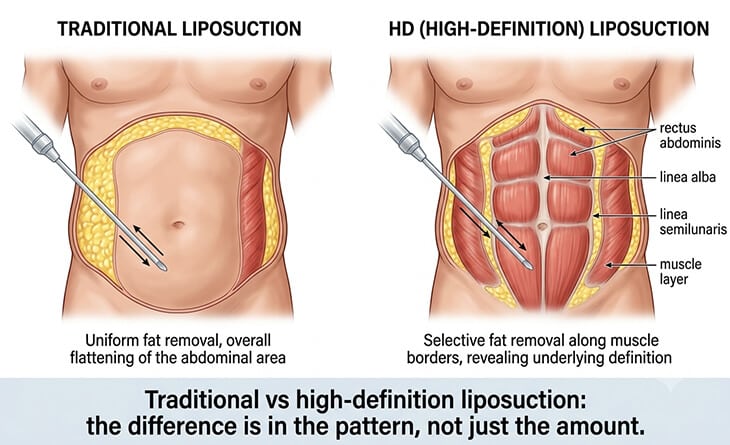
What is high-definition liposuction, in practical terms? It is a precision body contouring technique that uses ultrasonic and power-assisted technology to remove fat in a deliberate, anatomical pattern. The aim is not just to make an area smaller; it is to reveal the shape of the muscles underneath. On the abdomen, this means selectively removing fat over the linea alba (the central vertical groove) and the linea semilunaris (the curved lines along the sides) to make the natural definition of the rectus abdominis muscle visible. On the chest and back, similar anatomical lines are followed.
The technical workhorse of this approach is VASER (Vibration Amplification of Sound Energy at Resonance), an ultrasound-assisted system that selectively liquefies fat cells while leaving the surrounding nerves, blood vessels, and connective tissue undisturbed. MicroAire power-assisted liposuction is then used alongside VASER to remove the liquefied fat with finer control than a manual cannula allows. Together, the two technologies produce the precision that the technique requires.
This is the most important conceptual point about HD liposuction, and it is the one that marketing material often blurs: the technique reveals muscle anatomy that is already there. It does not create muscle anatomy that is not. Patients with developed abdominal muscles hidden under a thin layer of stubborn fat see dramatic results. Patients without developed muscle anatomy underneath see modest contour improvement at best, regardless of the surgeon’s skill or the technology used.
Have questions or want to get started? We are ready to help you with a smile!
HD Liposuction vs Traditional Liposuction: The Real Differences
The differences between HD liposuction vs traditional liposuction come down to four things: what is being achieved, how the fat is removed, how long recovery takes, and who the procedure suits.
- What Is Being Achieved: Traditional liposuction removes bulk fat to slim a body region. HD liposuction removes fat in a planned anatomical pattern to reveal underlying muscle definition. The first produces a flatter, smaller shape. The second produces a sculpted, athletic shape.
- How the Fat Is Removed: Traditional liposuction relies on the surgeon’s mechanical effort to break up fat through a cannula. HD liposuction uses VASER ultrasonic energy to liquefy fat selectively, with MicroAire power-assisted removal for precision. The fat layer can be sculpted in a way mechanical liposuction cannot achieve.
- Recovery Time: Traditional liposuction recovery is typically 7 to 10 days to return to desk work, with most swelling settling by 4 weeks. HD liposuction recovery is similar in length but involves more visible early swelling because more areas are treated more precisely; the etching lines emerge more clearly between weeks 4 and 12.
- Patient Suitability: Traditional liposuction suits a wide range of patients with localised fat. HD liposuction suits a specific group: those already at or near a lean stable weight, with developed underlying muscle, and with realistic expectations about what surgery can and cannot reveal.
Neither is universally better. Patients who want general fat reduction in a slimmed but not athletic shape do not need HD lipo and may be better served by traditional or 360-degree liposuction. Patients hoping for visible muscle definition need the HD approach. An honest surgical consultation distinguishes which patient you are.
Who Is Actually a Candidate for HD Liposuction?
HD liposuction is a final reveal, not a shortcut. It works for the patient whose training is largely done, not for the patient who hopes surgery will substitute for it.
This is the section where honesty matters most, because the marketing around HD lipo is often misleading. The procedure does extraordinary things for the right candidate and disappointing things for the wrong one. The difference between them is not surgical technique. It is candidacy.
The Right Candidate
- Lean, Active Adults: with a thin layer of stubborn fat hiding visible muscle definition. This is the case the procedure was designed for. Surgery reveals anatomy that already exists.
- Patients at Stable Weight: for at least 6 months, with no plans for significant weight change. The result depends on a stable baseline.
- Realistic Expectations: about what the surgery can and cannot do. The result is genuinely transformative for appropriate candidates, but is not a substitute for training.
- Good Skin Elasticity: so the skin contracts smoothly over the new contour without producing loose or rippled areas.
The Wrong Candidate
- Overweight Patients: where the muscle anatomy is not developed and the etching has nothing to reveal. Weight stabilisation and training are the appropriate first steps.
- Patients Seeking a Shortcut: to physical results that training has not produced. HD liposuction reveals what is there; it cannot manufacture what is not.
- Body Image Distress: that persists regardless of physical changes. This is not a surgical question, and a thoughtful consultation will gently identify it and suggest non-surgical support.
- Significant Loose Skin: from prior weight loss or ageing, where a skin-removal procedure (tummy tuck or arm lift) is the more appropriate path.
This candidacy honesty is the strongest single quality signal in any HD lipo consultation. A surgeon who tells you that you would not be a good candidate, and explains why, is more valuable than one who would proceed regardless.
What the Published Research Shows?
HD liposuction was originally documented in the peer-reviewed literature by Dr Alfredo Hoyos and colleagues, who developed the technique. Since then, multiple papers have examined safety, complication rates, and patient outcomes, with growing evidence supporting the technique in carefully selected patients.
At this practice, Dr Gupta has contributed to this literature in two ways. The first is a peer-reviewed paper specifically on VASER high-definition liposuction in the Indian patient population, documenting outcomes in a clinical case series. The second is a much larger body-contouring series of 1,968 patients (the PURE Contouring series), one of the largest single-practice datasets in the world for combined VASER and power-assisted contouring. The dataset matters because the right question for any cosmetic procedure is not whether a beautiful result is possible in one selected patient, but whether consistent, safe results are achievable across thousands of real cases. Volume of documented experience is itself a quality signal.
Dr Gupta is also among the earliest plastic surgeons in India trained internationally in HD VASER liposuction technique, with continued refinement through workshops at the original Hoyos centres and through ongoing ISAPS engagement. The published research and the international training together produce a stronger basis for the technique than either alone.
How Does the Procedure Actually Work?
The procedure typically takes 3 to 4 hours for HD abdominal etching, longer for combined contouring across multiple areas. It is performed under general anaesthesia in an accredited operating facility.
- Marking: is done with the patient standing, with the position of the rectus abdominis, the linea alba, the linea semilunaris, and the transverse muscle insertions outlined on the skin. This is one of the most important steps; the etching follows the marks.
- Incisions: are very small (a few millimetres each), placed discreetly within the natural contours of the body, such as within the navel and along the bikini line.
- VASER Energy: is then applied to selectively liquefy fat, particularly along the planned etching zones. The surrounding tissues are deliberately spared.
- Power-Assisted Removal: follows with MicroAire, allowing controlled, precise extraction of the liquefied fat in the planned pattern.
- Compression Garments: are applied immediately and worn continuously for 4 to 6 weeks to control swelling and help the new contour settle precisely as designed.
HD Liposuction Recovery: What to Expect
Recovery from HD liposuction is more involved than standard lipo because the technique uses more incisions and a finer pattern of removal. The first week involves significant swelling, bruising, and tightness. Most patients return to desk work between days 5 and 7, with cardio reintroduced from week 2 to 3 and full exercise from weeks 4 to 6.
The visible etching lines do not emerge immediately. The first weeks hide the new contour under swelling, and patients are sometimes surprised at how unsculpted their abdomen looks initially. Definition begins to emerge from week 4 onwards, with the result continuing to refine through months 2 to 3. The final contour is typically visible by month 6, with continued small improvements for up to a year as residual swelling fully resolves.
Maintenance matters more than for most procedures. Significant weight gain after HD liposuction can obscure the etching lines because the remaining fat cells can still enlarge with weight gain. Stable weight, continued training, and a sensible diet protect the result the surgery created.
Is HD Liposuction Worth It?
For the right candidate, the honest answer is yes, and patient satisfaction in well-selected cases is high. The result is visibly transformative without looking surgical. The recovery, while real, is generally manageable. The longevity, when supported by training and stable weight, is excellent.
For the wrong candidate, the honest answer is no. Surgery that reveals what is not there cannot satisfy. The appropriate response to an inappropriate request is for the surgeon to decline the case and to suggest the path that would actually serve the patient: training, weight stabilisation, non-surgical body image support, or sometimes a different procedure entirely.
The decision is therefore not about the procedure itself but about whether you are the right candidate for it. The consultation is where that question is honestly answered.
Find Out Whether You Are the Right Candidate. The Honest Answer Matters.
If reading about HD liposuction has left you wondering whether you would be an appropriate candidate, the most useful next step is a consultation. Dr Gupta is a board-certified plastic surgery specialist in Delhi who performs HD liposuction every week, has published his own research on the technique, and (just as importantly) regularly tells patients honestly when they would be better served by training, weight stabilisation, or a different procedure entirely.
Consultations include a clinical examination of your existing muscle anatomy and fat distribution, a discussion of whether HD lipo, traditional liposuction, or a different approach is right for your specific case, and where appropriate a frank conversation about why surgery may not be the answer yet. You will leave with a written estimate and a clear plan, not a sales pitch.

Frequently Asked Questions (FAQs)
High-definition liposuction is a precision body contouring technique that uses VASER ultrasonic and MicroAire power-assisted technology to remove fat in a planned anatomical pattern, revealing the natural definition of underlying muscles. Unlike traditional liposuction, which removes fat uniformly to slim an area, HD liposuction sculpts the fat layer to expose athletic muscle anatomy that already exists beneath.
The right candidate is a lean, active adult at or near a stable weight, with developed underlying muscle hidden under a thin layer of stubborn fat, with good skin elasticity, and with realistic expectations. The procedure reveals existing anatomy rather than creating new anatomy. Overweight patients or those expecting transformation without training are not appropriate candidates.
HD liposuction sculpts fat in a deliberate anatomical pattern following the lines of underlying muscles, producing athletic definition. Traditional liposuction removes bulk fat uniformly, producing a slimmer but flatter contour. HD lipo uses VASER ultrasonic and MicroAire technology for precision; traditional lipo relies on mechanical cannula movement. Recovery is similar in length but with more visible early swelling for HD.
The fat cells removed during HD liposuction do not return. However, the remaining fat cells in treated areas can still enlarge with weight gain, which can obscure the sculpted definition. Maintaining stable weight, continued training, and a sensible diet protects the result. Most patients who maintain their lifestyle keep their HD lipo result indefinitely.
HD liposuction reveals muscle definition that already exists beneath the fat layer. If you have developed abdominal muscles hidden under stubborn fat, the result can be dramatic and visibly athletic. If the underlying muscle is not developed, the procedure reveals what is there but cannot create six-pack anatomy on its own. Surgery does not substitute for training.
Most patients return to desk work within 5 to 7 days. Cardio exercise is reintroduced from week 2 to 3, and full training from weeks 4 to 6. Compression garments are worn for 4 to 6 weeks. Most swelling settles by 8 to 12 weeks, with the final etching definition emerging by month 6 and continuing to refine for up to a year.
Yes. HD liposuction is performed for both women and men, though the planned etching pattern differs by sex to suit naturally different muscle anatomy and aesthetic goals. Women more often combine HD lipo with feminine waist-defining contouring (such as 360-degree liposuction), while men more often pursue abdominal etching to reveal six-pack definition. The candidacy criteria are the same.

Dr. Rajat Gupta
MBBS, MS, DNB(Gen. Surg.),
DNB (Plastic Surgery)
Dr. Rajat Gupta is a board certified plastic surgeon in India with 18+ years of experience to back his expertise in the domain of aesthetic surgeries.
Having completed his training from Maulana Azad Medical College and equipped with a thorough understanding of aesthetic needs of people, Dr. Gupta strives to offer the best remedies and cosmetic procedures outfitted with the latest technology to the aspirants in India and across the globe. To book an appointment, call: +91-9251711711 or email: [email protected]
Share this post

Related Posts

What Is the Cost of Liposuction Surgery?
Liposuction surgery, often referred to simply as liposuction, is a popular cosmetic... read more
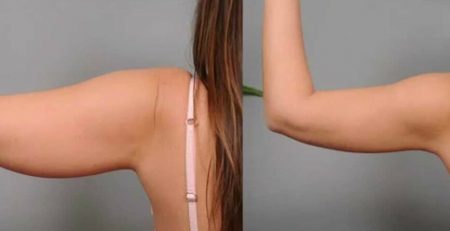
Are Arm Liposuction Scars Visible?
Liposuction remains one of the most versatile procedures done on numerous body... read more

Latest Liposuction Technologies Used by Leading Surgeons
Liposuction surgery in Delhi has evolved significantly over the past two decades.... read more
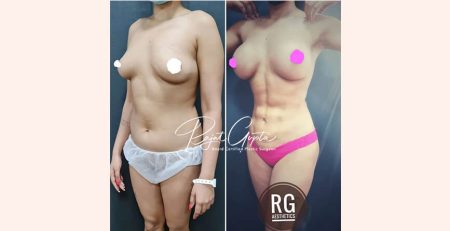
Top-Rated Liposuction Surgeons With Patient Reviews: What You Should Really Look For
When you begin researching liposuction surgery in Delhi, one of the first... read more
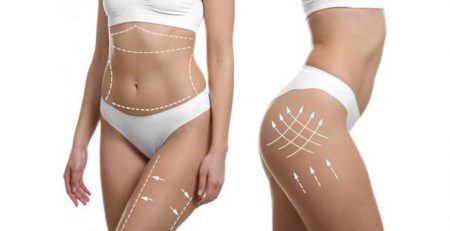
Are Liposuction Results Permanent?
The subcutaneous layer of fat is often found to be extremely diet... read more
Liposuction Care After Surgery: Recovery & Aftercare Guide
Recovery after liposuction is just as important as the surgery itself. While... read more

Where on Your Body Can You Get Liposuction?
Liposuction is a popular cosmetic procedure that helps to eliminate stubborn fat... read more

Is Liposuction Safe? What to Expect, Risks, and Side Effects
Are you tired of stubborn fat pockets that won't disappear, no matter... read more

5 Things To Know Before Getting Liposuction
Liposuction, popularly known as "lipo," has become an in-demand cosmetic surgery procedure... read more
High-Definition Liposuction vs Liposuction – What’s the Difference?
While exploring body contouring procedures, you might come across the term liposuction... read more